Med Spa Website FAQ Examples That Turn Questions Into Consult Requests
Practical med spa website FAQ examples for Botox, fillers, laser, pricing, consults, policies, and safer chatbot routing.
 Leo Lee11 min read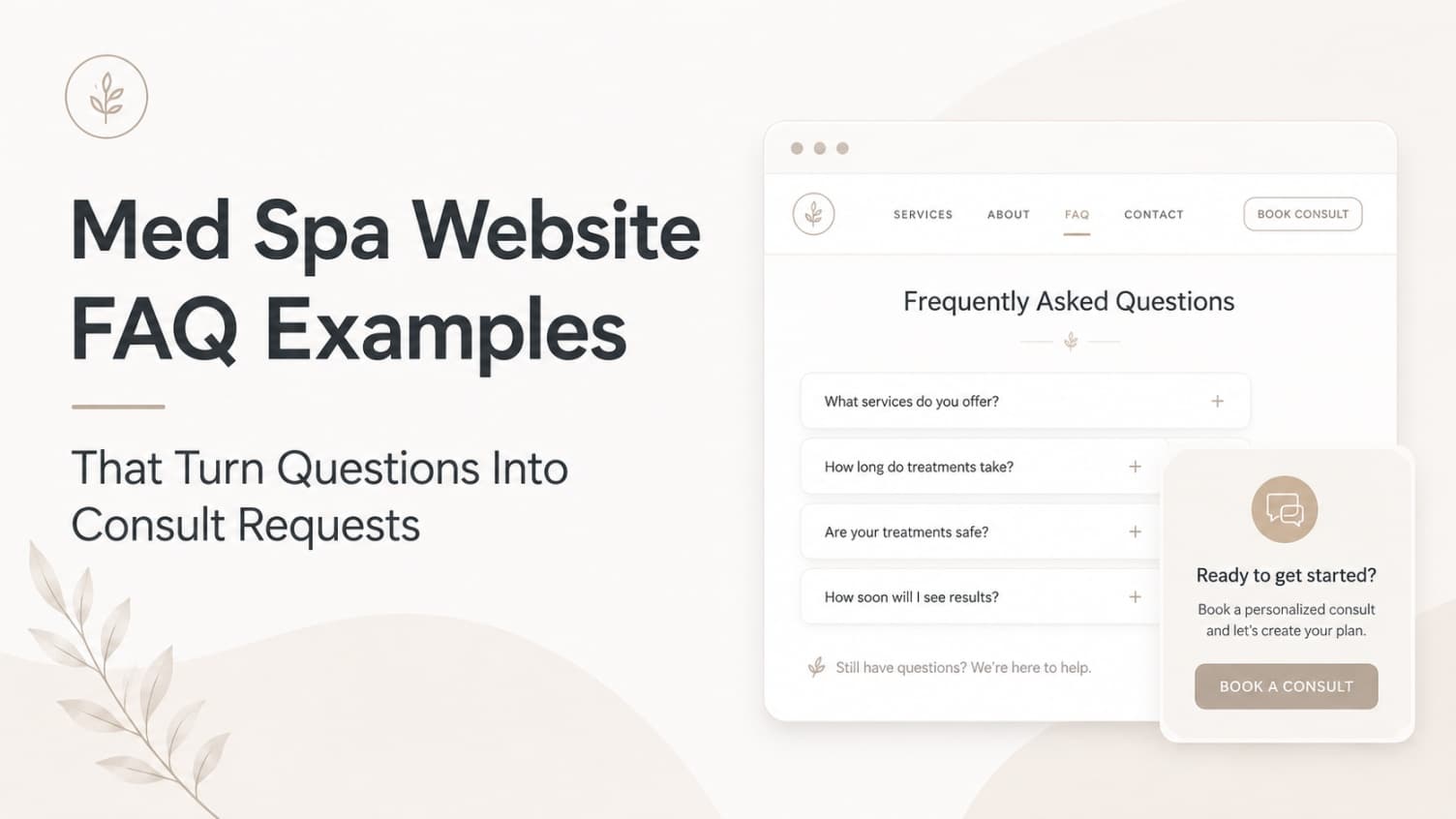
Most med spa FAQ pages answer the wrong question.
They explain what Botox is, what filler is, or what laser hair removal is. That can help, but it often misses the real booking blocker. A visitor is usually asking something more specific: "Do I need a consult?", "Can I afford this?", "Will someone tell me if this is right for me?", "How do I book without calling?", or "Can I trust this clinic?"
The best med spa website FAQ examples do more than fill a page. They reduce hesitation and move the visitor toward a consultation, booking link, phone call, or staff follow-up.
Use the examples below as starting points, not final medical copy. A licensed provider or clinic lead should approve the answers before they go live on a website or chatbot.
Quick answer
A good med spa FAQ should do three things:
- Answer the visitor's practical question in plain language.
- Set a safe boundary when the answer depends on medical history, anatomy, treatment goals, or provider assessment.
- Route the visitor to a clear next step, usually a consultation or booking path.
That structure is stronger than a long FAQ page full of definitions.
For example, "What is Botox?" is less useful than "Do I need a consultation before Botox?" The second question sits closer to the decision. It helps the visitor understand what happens next.
If you are using an AI chatbot, the same FAQ material becomes training data. The chatbot can answer the first question and route the visitor to the existing consult path. For that workflow, see AI Chatbot for Med Spas.
Why generic med spa FAQs do not convert
Generic med spa FAQ pages usually fail in four ways.
First, they answer like a brochure. The answer sounds polished, but it does not tell the visitor what to do next.
Second, they hide price behind vague language. Not every clinic can publish exact pricing, but visitors still need a useful explanation of what affects cost and how to get a quote or consult.
Third, they over-answer treatment-fit questions. A website should not tell someone they are a candidate for a procedure based on one sentence. It should explain the consult process and route the question to the team.
Fourth, they bury booking links. The visitor gets an answer, then has to search again for the next step.
The fix is simple: write FAQs around the moment before booking.
The five question types med spa visitors actually ask
Most med spa website questions fit into five groups.
| Question type | What the visitor really wants to know | Best route |
|---|---|---|
| Price | "Can I afford this, and will I be surprised later?" | Pricing page, consultation, or staff contact. |
| Fit | "Is this treatment appropriate for my concern?" | Consultation or provider review. |
| Trust | "Is this clinic qualified and careful?" | Provider page, consult process, safety policy, or call. |
| Logistics | "How do I book, prepare, park, cancel, or reschedule?" | Booking link, policy page, or contact path. |
| Expectations | "How long does it take, what happens after, and when should I plan around it?" | Service page, consult, prep/aftercare page, or staff follow-up. |
This is a better planning tool than a list of services. A visitor does not care that the FAQ page has thirty questions. They care that their specific hesitation is handled.
Use this answer formula
For most med spa FAQs, use this structure:
Answer first. Give the clearest safe answer in one or two sentences.
Add the qualifier. Explain what depends on consultation, provider assessment, medical history, treatment area, product, or goals.
Route the next step. Tell the visitor exactly where to go next.
Example:
Question: How much is lip filler?
Weak answer: Lip filler prices vary. Contact us for more information.
Better answer: Lip filler pricing depends on the product used, amount needed, and your treatment goals. The best next step is a consultation so the provider can review your goals and explain the expected range before treatment.
Route: Book a filler consultation.
That answer does not invent a price. It still gives the visitor a path.
Botox FAQ examples
These Botox FAQ examples are written for website and chatbot use. Replace wording with the clinic's approved language, product names, and booking links.
Do I need a consultation before Botox?
For new clients, a consultation is usually the right first step. The provider can review your goals, medical history, facial movement, and whether a neuromodulator appointment is appropriate.
Route: Book a Botox or neuromodulator consultation.
How much does Botox cost?
Pricing often depends on the number of units, treatment areas, provider recommendations, and clinic pricing structure. If your clinic publishes unit pricing or starting ranges, include that approved information. If not, explain that the team can review expected pricing during consultation.
Route: View pricing guidance or book a consultation.
How long does a Botox appointment take?
Give the clinic's real appointment length if it is approved. If timing varies, explain that the team can confirm the right appointment type when the visitor books.
Route: Book online or contact the clinic.
Is Botox right for me?
This should route to the provider. The website can explain that fit depends on goals, medical history, facial anatomy, current medications, and provider assessment.
Route: Book a consultation instead of answering yes or no.
What should I ask before getting Botox?
This is a trust-building question. The CDC's 2026 guidance on botulinum toxin injections tells consumers to ask about provider licensing and whether the product comes from an authorized source of FDA-approved botulinum toxin.
Route: Link to provider credentials, consultation booking, or a call option.
Filler FAQ examples
Filler questions often carry more anxiety than Botox questions because visitors worry about shape, swelling, reversibility, cost, and looking overdone.
How much is lip filler?
Pricing depends on product, amount used, treatment goals, and whether the visitor is a new or returning client. If the clinic has a starting price or range, state it clearly. If not, say that the consultation will cover options and expected cost before treatment.
Route: Book a filler consultation.
Will filler look natural?
Avoid guarantees. A better answer is that the provider will review goals, facial balance, and product options during consultation, and the clinic can discuss a conservative approach if that matches the visitor's preference.
Route: Book a consultation or view before-and-after gallery if the clinic has approved images.
Is filler permanent?
Use clinic-approved education here. Do not overstate reversibility, longevity, or safety. A safe answer explains that different filler products and treatment areas can behave differently, and the provider will discuss options, expected duration, and risks during consultation.
Route: View filler services or book a consult.
Can filler be used for body contouring?
This should be handled carefully. The FDA's dermal filler guidance warns consumers not to get filler or liquid silicone injected for body contouring.
Route: Ask the clinic team directly about approved services and safer treatment options.
What should I do before a filler appointment?
Only include prep steps your provider has approved for public use. If prep depends on health history, medications, or treatment area, route the visitor to staff instructions.
Route: Send to pre-appointment instructions or staff contact.
Laser and skin treatment FAQ examples
Laser, IPL, resurfacing, microneedling, chemical peels, and facial treatments create different visitor concerns. Many visitors want to know whether a treatment works for their skin type, how many sessions they need, and whether they need downtime.
Is laser hair removal right for my skin type?
Do not answer this with a blanket yes. Explain that fit depends on skin tone, hair color, treatment area, device, medical history, and provider assessment.
Route: Book a laser consultation.
How many laser sessions will I need?
If the clinic has an approved typical range, share it carefully and say results vary. If not, explain that the provider can recommend a plan after reviewing the treatment area and goals.
Route: Book consultation or view service details.
Is there downtime after a chemical peel or laser treatment?
Answer from approved service guidance only. If downtime varies by treatment depth, skin response, or plan, say that directly.
Route: Link to prep/aftercare page or consultation.
Can I get a facial before an event?
This is a high-intent question. Give the clinic's approved scheduling guidance and route to a staff review if timing is close.
Route: Book the correct service or contact the team.
Pricing FAQ examples
Pricing FAQs deserve special attention because vague answers lose visitors.
Not every med spa should publish exact prices for every treatment. But every med spa should reduce pricing anxiety.
Why do prices vary?
Prices can vary based on treatment area, product, number of units, number of sessions, provider recommendation, and the visitor's goals. A consultation helps the team explain the right option and expected cost before treatment.
Route: Book a consultation or view pricing.
Do you offer memberships or packages?
If the clinic has memberships, packages, financing, or promotions, explain them in plain language and link to the right page. If not, say that the team can explain current options during the consult.
Route: Membership page, pricing page, or consultation.
Can I get a quote before booking?
Be honest. Some clinics can give rough ranges, but final pricing may require consultation. The FAQ should tell the visitor what information the team needs to help.
Route: Contact form, quote request, or consultation.
Do you require a deposit?
This should be direct. Visitors do not like finding deposit rules late in the flow. State whether a deposit is required, whether it applies to the appointment, and where the full policy lives.
Route: Booking page or cancellation policy.
Policy and first-visit FAQ examples
Policy FAQs are not glamorous, but they reduce front-desk load and prevent poor-fit bookings.
What happens at my first consultation?
Explain the clinic's actual flow: goals review, medical history, provider assessment, treatment plan discussion, pricing discussion, and whether same-day treatment may or may not be available.
Route: Book first consultation.
Can I book treatment the same day as my consultation?
Answer based on clinic policy. If same-day treatment depends on provider availability, health history, or treatment type, say that clearly.
Route: Book consultation or call the clinic.
What is your cancellation policy?
State the policy plainly. Include timing, fees, deposits, and rescheduling instructions if approved.
Route: Booking policy page or contact path.
Where are you located and where should I park?
This question is simple but high-friction. Include location, parking, entry instructions, and any building details that reduce day-of anxiety.
Route: Location page, map, or call.
What not to put in a med spa FAQ
A useful FAQ is not the same as an aggressive sales page.
Avoid these patterns:
- "Everyone is a candidate" language
- Guaranteed result claims
- Exact medical advice based on a vague website question
- Before-and-after promises without context
- Deep medical intake questions in open website chat
- Fake scarcity or pressure around injections
- Discount-first answers that make safety feel secondary
- "Contact us" as the only answer to every important question
For injectables especially, trust is part of conversion. The FDA's dermal filler guidance warns consumers not to buy fillers sold directly to the public or self-inject, and it emphasizes questions for licensed health care providers. Your FAQ should make the clinic feel careful, not casual.
Source links in this section were checked May 17, 2026.
How to use these FAQs in a chatbot
If you use a website chatbot, the FAQ page should become operational content, not just SEO content.
Train the chatbot on:
- Approved service descriptions
- Pricing guidance or "priced after consult" language
- Consultation requirements
- Booking, call, email, and contact links
- Cancellation, deposit, and rescheduling policies
- Prep and aftercare pages
- Provider-approved escalation rules
Then test the questions visitors actually ask:
- "How much is Botox?"
- "Can I get filler before a wedding?"
- "Do I need a consult?"
- "Can laser work for my skin?"
- "Do you have appointments this week?"
- "Can I talk to someone?"
The chatbot should answer what it can and route the rest. CatchWhen's Website Support Agent is built for that exact layer: website FAQ answers, safer boundaries, and routing to your existing booking or contact path.
For the broader setup, read AI Chatbot for Small Local Businesses. For installation, see the website embed guide. If you are evaluating plans, see CatchWhen pricing.
A stronger med spa FAQ checklist
Before publishing, check each FAQ against this list:
- Does it answer a real booking blocker?
- Does it use clinic-approved language?
- Does it avoid diagnosis, guarantees, or individualized treatment advice?
- Does it explain when the provider needs to review the question?
- Does it include the next step?
- Does it route to a real page, booking link, phone number, email, or form?
- Does it work on mobile without becoming a wall of text?
- Would a front-desk team member recognize this as a real question?
If the answer does not help someone book, prepare, trust the clinic, or contact the team, it may not belong in the top FAQ section.
Med spa website FAQ examples FAQ
Should a med spa publish prices on its FAQ page?
If the clinic has approved prices or ranges, publishing them can reduce friction. If pricing depends on consultation, treatment area, product, units, or provider assessment, the FAQ should explain those factors and route visitors to consultation instead of staying vague.
Can I use these FAQ examples in an AI chatbot?
Yes, but only after adapting them to the clinic's real services, policies, links, and provider-approved language. The chatbot should use the FAQ to answer common questions and route individualized treatment questions to staff.
What is the most important FAQ for a med spa website?
For many clinics, the most important question is whether a consultation is required before treatment. It sits close to the booking decision and gives the clinic a safe way to route visitors into the right next step.
The practical takeaway
Med spa website FAQ examples are only useful if they reflect how visitors decide.
The visitor is not just asking what a treatment is. They are trying to understand cost, fit, trust, timing, policy, and the safest next step.
Write FAQs around those decision points. Keep the answer plain. Set the boundary. Route the consult.
That is how a FAQ page becomes more than content. It becomes the first response your website should have been giving all along.

Article by
Leo Lee
Leo Lee is the founder and builder of CatchWhen, a Customer Support AI System that creates AI Support Agents for appointment-based local businesses. CatchWhen helps med spas, salons, wellness clinics, and other independent service businesses answer customer-facing website inquiries and route ready leads into the booking, quote, or contact tools they already use. Leo writes about the workflows, guardrails, and infrastructure behind production-ready AI customer support agents.
Keep reading

AI Chatbot for Small Local Businesses: A Practical Website Guide
A practical guide to AI chatbots for small business websites: what they answer, where they fit, and how local owners route visitors to booking or quote links.
 Leo Lee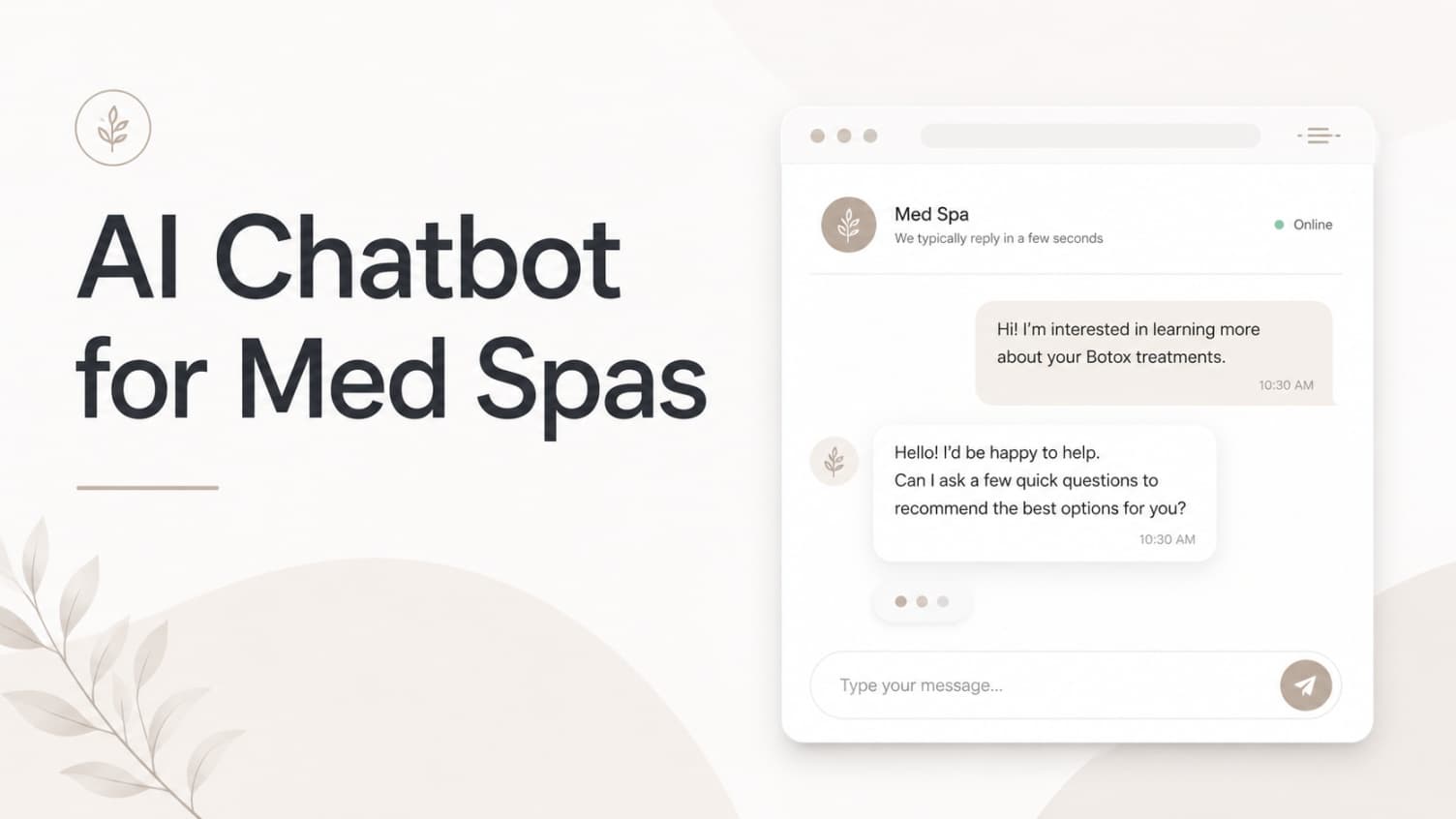
AI Chatbot for Med Spas: Route More Consult Requests from Your Website
A practical guide to med spa website chatbots: answer Botox, filler, laser, pricing, and consult questions, then route visitors to your existing booking path.
Leo Lee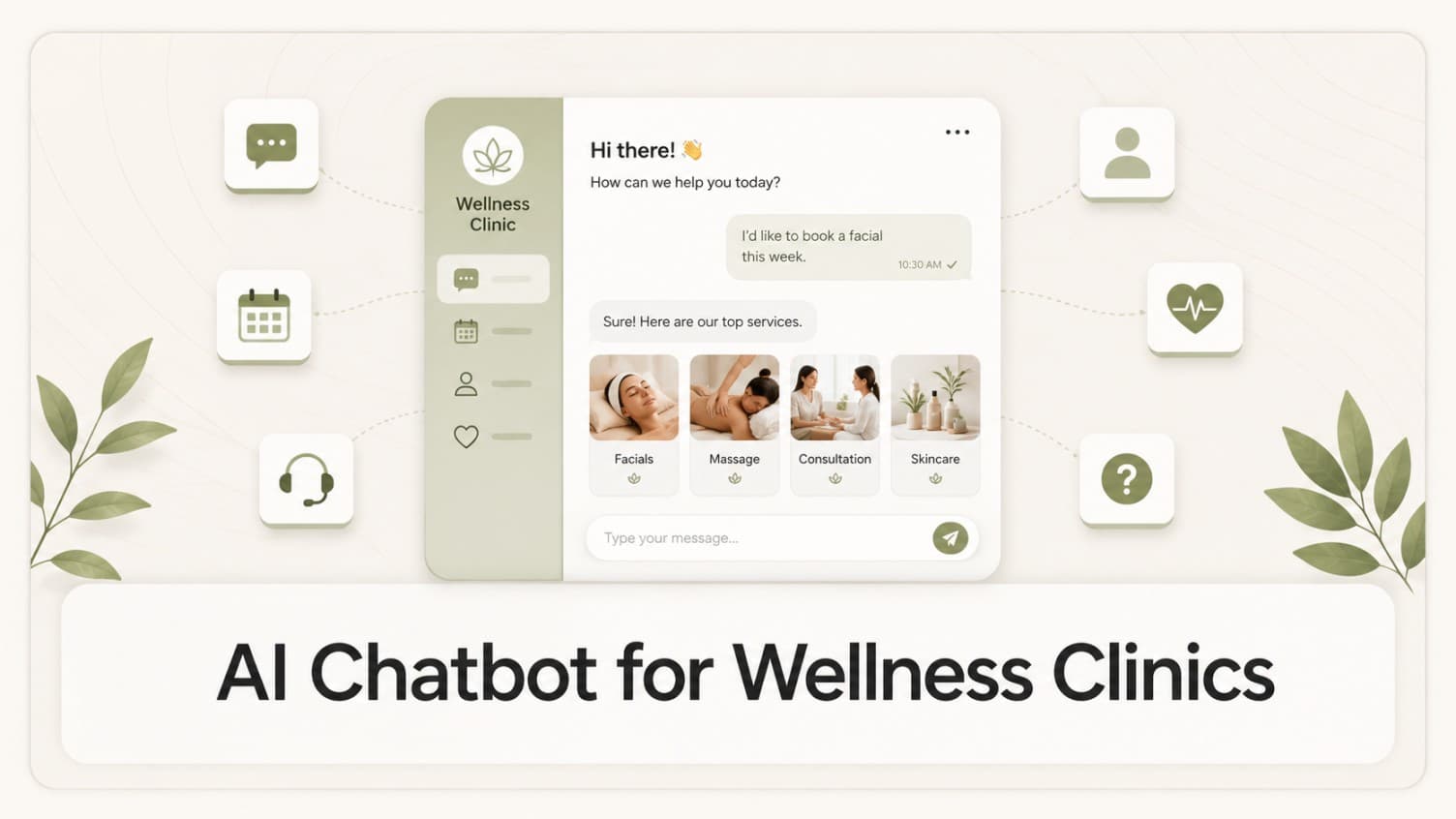
AI Chatbot for Wellness Clinics: Answer First-Visit Questions Faster
A practical guide to wellness clinic website chatbots: answer physio, chiro, massage, pilates, yoga, and IV drip first-visit questions, then route ready visitors to booking or intake.
Leo Lee